Design spas night clubs: how architecture shapes your experience

Produced with the help of artificial intelligence.
Discover how interior design and architecture in spas and night clubs influence your experience, creating environments of relaxation or euphoria.
The design of spas and night clubs is fundamental to shaping the visitor's experience. It's not just about aesthetics; architecture and interior design are powerful tools that create specific atmospheres, inducing deep relaxation in a spa or vibrant euphoria in a night club. Every detail is designed to evoke sensations and guide behavior, transforming a space into an experience.
Design for relaxation: spas
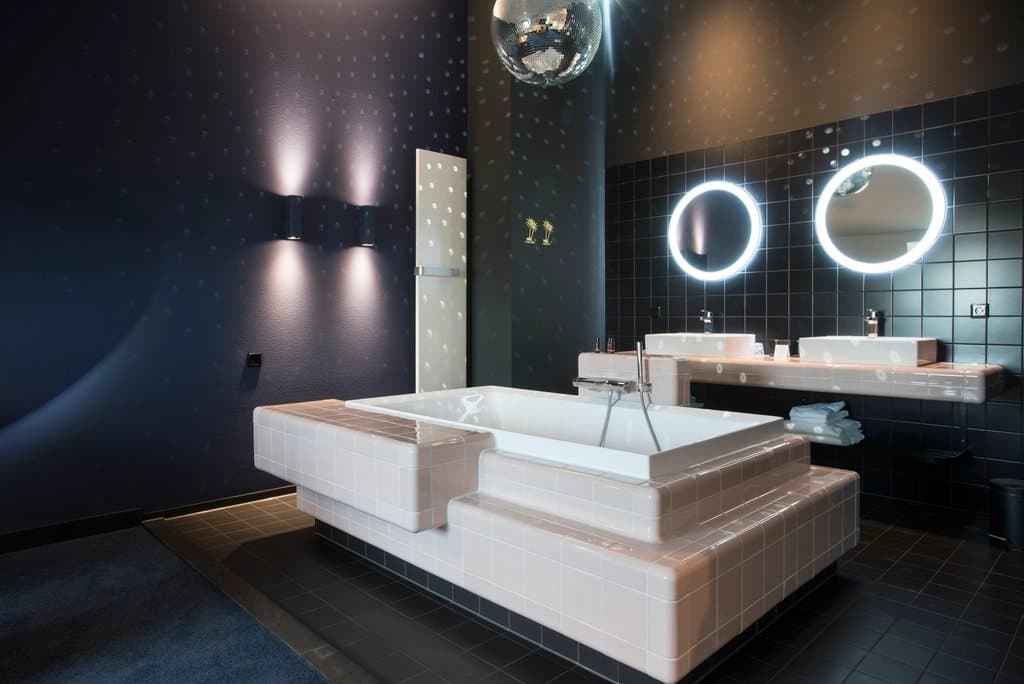
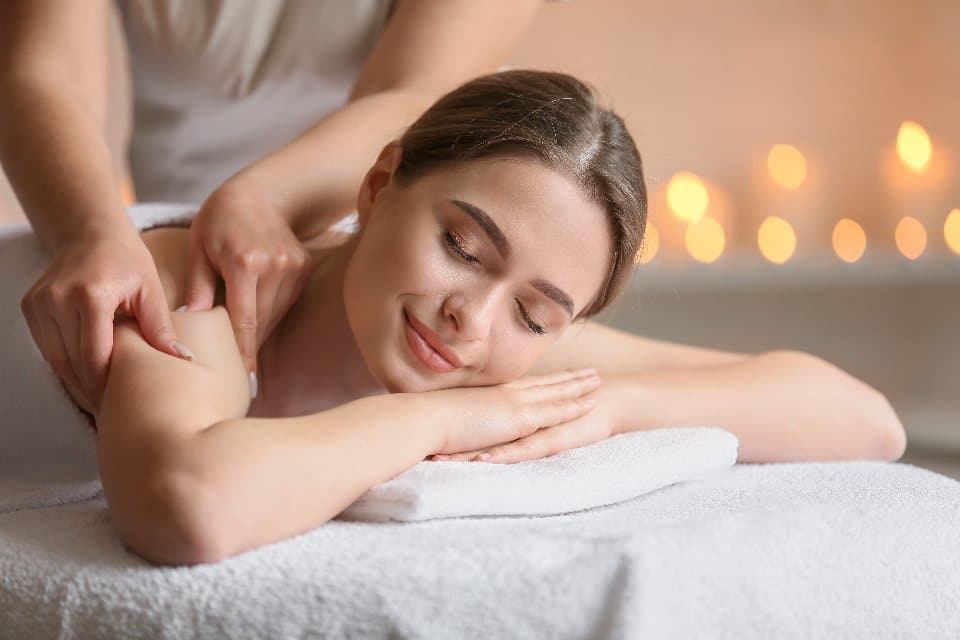
In spas, the primary objective is tranquility. Design aims to isolate the client from the outside world, creating a refuge of peace. Neutral colors, soft lighting, and natural materials like wood and stone are common choices to promote calm. Acoustics are carefully planned to muffle external noises and favor silence or the reproduction of calming sounds.
The arrangement of spaces, such as massage rooms and waiting areas, is designed for fluidity and privacy. Places like Hara Spa in Jardins and Sensuum Spa are examples of establishments that prioritize serenity through intentional design, focusing on client well-being.
Key elements in spa design
- Lighting: Indirect, dimmable, and with warm tones, creating a cozy and inviting environment for relaxation.
- Aromas: Diffusers with essential oils that evoke nature or calm, contributing to sensory immersion. To learn more, see Aromas that change the mood of an environment.
- Textures: Soft fabrics, smooth surfaces, and tactile elements that invite touch and comfort.
- Water: Fountains, water mirrors, or pools that add a relaxing auditory and visual element, complementing the atmosphere.
- Vegetation: Natural plants that purify the air and connect the space to nature, reinforcing the sense of well-being.
Design for euphoria: night clubs
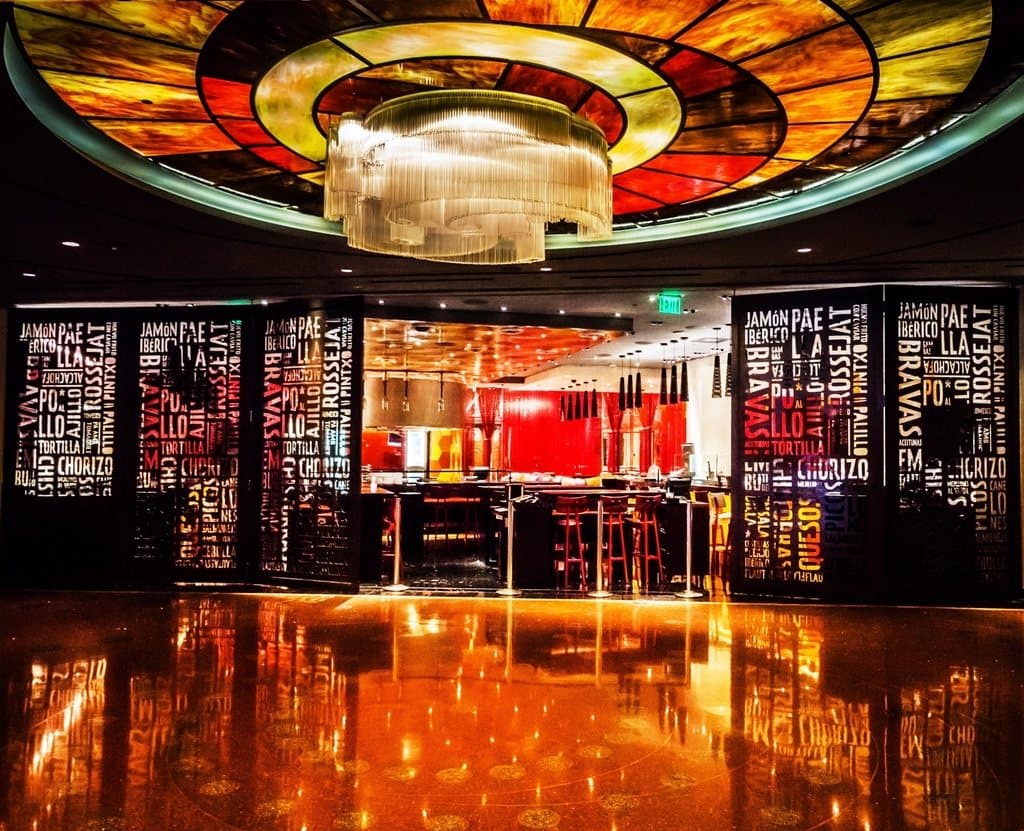
Night clubs, on the other hand, seek to stimulate the senses and energize the public. The design here is dynamic, focusing on lights, sound, and movement. Vibrant colors, strong contrasts, and reflective materials are frequently used to create an atmosphere of party and excitement. The architecture of a night club should facilitate social interaction and dancing, promoting an immersive experience.
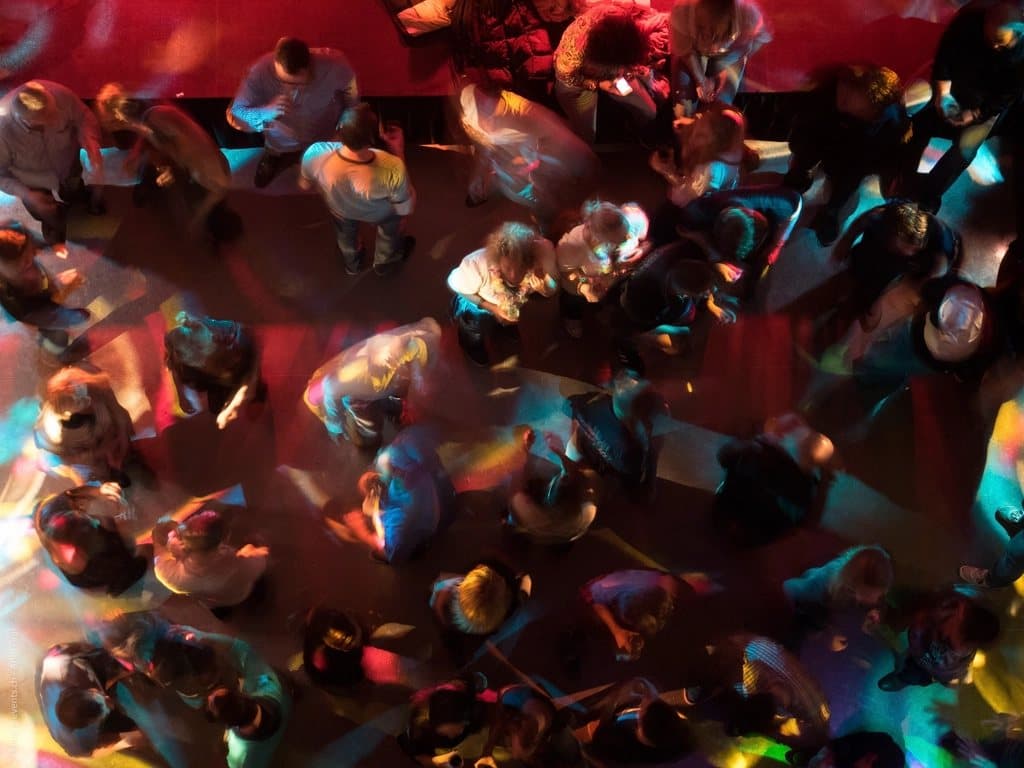
Bomboa 222 in Jardins and A Ilha Club in São Vicente are examples of spaces that use design to create an atmosphere of party and celebration. To learn more about how to choose a venue, see How to choose a night club.
Key elements in night club design
- Lighting: Complex systems of LED lights, lasers, and projections that create immersive and dynamic visual effects.
- Acoustics: Designed to optimize sound quality, with insulation and uniform distribution for a powerful sound experience.
- Layout: Spacious dance floors, accessible bars, and lounge areas that allow for different types of social interaction and movement.
- Materials: Light-reflecting surfaces, such as mirrors, polished metals, and glass, amplifying visual effects.
- Technology: Large screens, high-fidelity sound systems, and interactive elements that enrich the sensory experience.
Design spas night clubs: the art of creating atmospheres
In both cases, design goes beyond appearance. It is intrinsically functional. In spas, functionality translates into ergonomic comfort, privacy, and impeccable hygiene. In night clubs, it means safety, efficient crowd flow, and durability of materials, which must withstand intense use. Good design considers the user experience in every detail, from entry to exit, ensuring that the environment fulfills its purpose.
Practical guidance
When visiting a spa or night club, observe how the environment affects your sensations. Design is an invitation. Allow yourself to be guided by the atmosphere created, whether to relax deeply or to celebrate with euphoria.
Frequently asked questions
- How does interior design affect the spa experience?
- Spa design uses neutral colors, soft lighting, and natural materials to create an environment of tranquility and deep relaxation, isolating the client from the outside world.
- What is the importance of design in night clubs?
- In night clubs, design is crucial for stimulating the senses, energizing the public, and facilitating social interaction through lights, sound, and a dynamic layout that promotes euphoria.
- What design elements are used to create euphoria in night clubs?
- Vibrant lights, powerful sound systems, reflective surfaces, and a layout that promotes dancing and interaction are key elements to generate euphoria in night clubs.
The MIMUUS editors are journalists and specialists who write about wellness, relationships, culture and lifestyle for adults. Every story goes through editorial review before it is published.
See all storiesComments
No comments yet. Be the first to comment.