Thai massage: what it is and its benefits for well-being

Produced with the help of artificial intelligence and reviewed by the MIMUUS team.
Thai massage is an ancient practice that combines touches, stretches, and pressure to promote deep relaxation and energetic balance, offering a unique experience.
Thai massage is an ancient practice that goes beyond simple muscle relaxation. It combines acupressure techniques, passive stretching, and rhythmic compression, aiming to restore the body's energetic balance. Originating in Thailand, this modality is known for promoting a sense of holistic well-being, relieving tension, and increasing flexibility.
The origin and philosophy of Thai massage
Thai massage, or Nuad Boran, has deep roots in traditional Thai medicine, with influences from Ayurvedic medicine and Indian yoga. Its history dates back over 2,500 years, attributed to Jivaka Kumar Bhaccha, Buddha's physician.
The philosophy behind Thai massage is based on the idea that the body is traversed by energy lines, called Sen. The goal is to unblock these lines, allowing energy to flow freely and promoting physical and mental health. It's not just about manipulating muscles, but about working the body as a whole, in a harmonious dance between therapist and receiver.
How a Thai massage session works
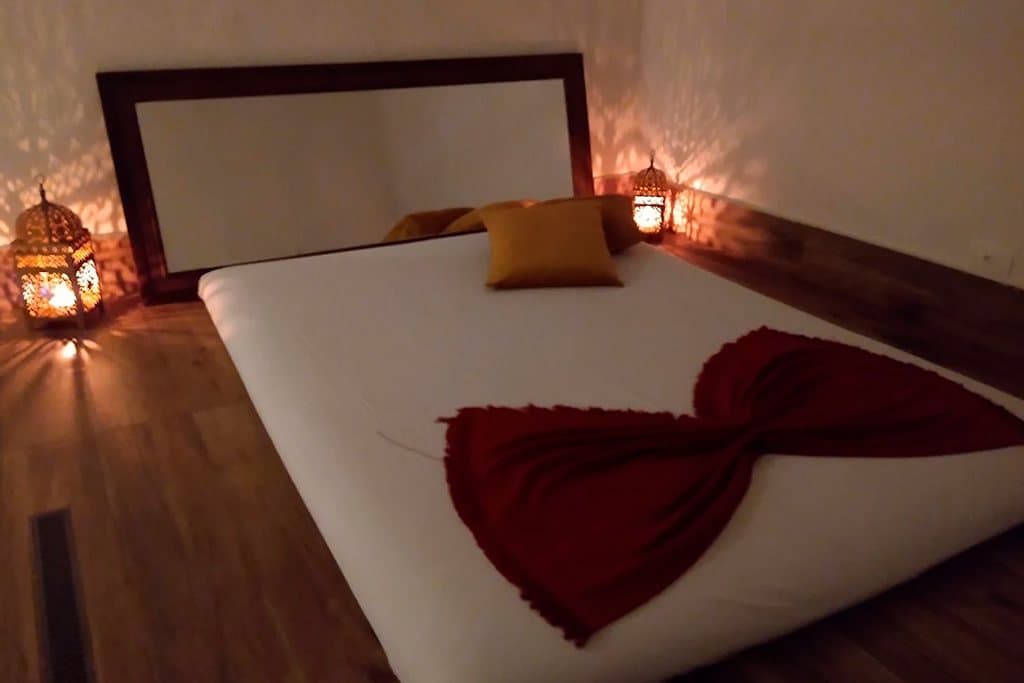
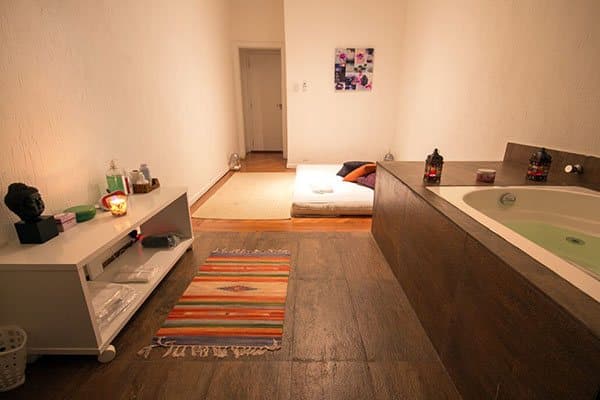
Unlike other massages, Thai massage is performed on the floor, on a mat, with the client dressed in light, comfortable clothing. The therapist uses hands, feet, elbows, and knees to apply pressure and perform stretches that resemble yoga postures.
The session is a continuous flow of movements, without the use of oils or lotions. The pace is generally slow and meditative, allowing the body to surrender to the stretches and pressure. Duration may vary, but 60 to 90-minute sessions are common. To find a suitable location, you can consult our São Paulo places guide.
The benefits of Thai massage for body and mind
The benefits of Thai massage are diverse, encompassing both physical and mental aspects.
Physically, it can contribute to:
- Increased flexibility and range of motion.
- Relief from muscle tension and stiffness.
- Improved blood circulation.
- Reduction of joint discomfort.
In the mental and emotional realm, the practice is associated with:
- Deep relaxation and a sense of calm.
- Reduction of stress and anxiety.
- Improved sleep quality.
- Increased body awareness.
It is an experience that invites introspection and self-care, like other well-being practices we explore in our Well-being section.
Choosing a professional and what to expect
For a safe and effective experience, it is essential to choose a qualified therapist and a trustworthy establishment. Look for professionals with specific training in Thai massage. A good location should offer a clean, peaceful, and welcoming environment.
During the session, the therapist should be attentive to your needs and limits, adjusting the intensity of pressure and stretches. Do not hesitate to communicate any discomfort. To learn more about how to identify good service, read our article on signs of a good establishment.
Preparation for your Thai massage session
Preparation is simple. Wear light, loose clothing that allows freedom of movement. Avoid heavy meals before the session.
Arrive a few minutes early to get settled and talk to the therapist about your expectations or any specific areas of tension. Remember that the goal is your comfort and well-being.
Thai massage is a journey of self-discovery and care. By allowing yourself this experience, you invest in a moment of pause and reconnection with your body and mind. It is one of many massages of the world that offer a path to balance.
Frequently asked questions
- What is Thai massage?
- It is an ancient practice that combines acupressure, passive stretching, and rhythmic compression, aiming to restore the body's energetic balance and promote holistic well-being.
- Does Thai massage hurt?
- Thai massage can apply deep pressure and intense stretches, but the therapist should adjust the intensity to your limits, without causing pain. Communicate any discomfort.
- Do I need to remove my clothes for Thai massage?
- No, Thai massage is traditionally performed with the client dressed in light, comfortable clothing that allows freedom of movement.
The MIMUUS editors are journalists and specialists who write about wellness, relationships, culture and lifestyle for adults. Every story goes through editorial review before it is published.
See all storiesComments
No comments yet. Be the first to comment.